
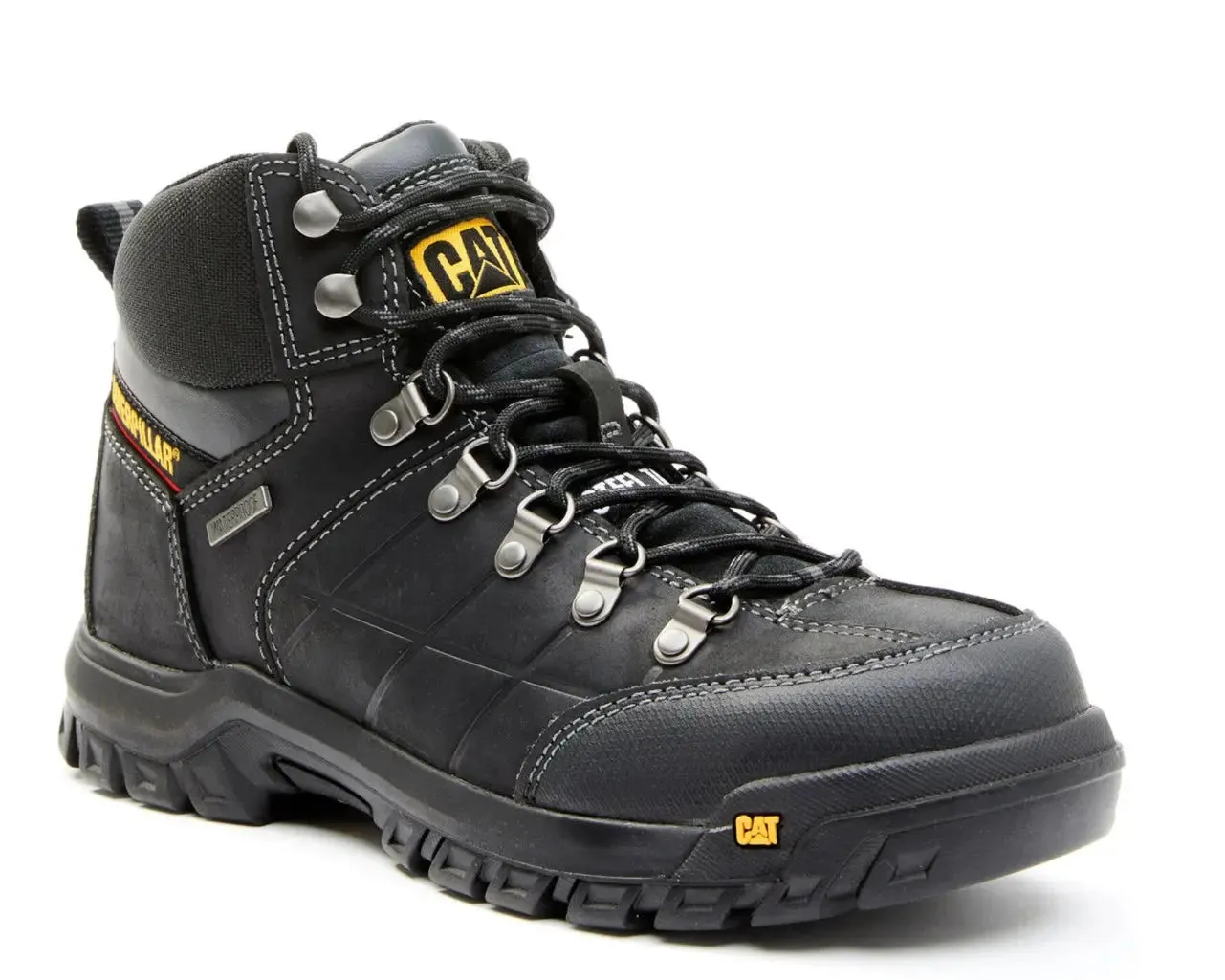
A good day on the jobsite starts with what is on your feet. Sore arches, soaked socks, and worn-out soles drain your energy faster than heavy lifting ever will, and the damage adds up week after week. If you spend hours on concrete, gravel, or uneven ground, choosing Caterpillar work boots is a practical way to protect both comfort and safety. Think of this guide as a checklist you can carry into any store.
Start With the Demands of Your Workday
Every trade asks something different from a boot. A mechanic needs oil resistance, a landscaper cares about grip on loose soil, and a roofer wants flexibility on steep slopes. Matching the boot to the task is the foundation of every good purchase. Talk to coworkers too, since they often know which conditions wear boots out fastest on your site.
Write down your daily surfaces, hours on your feet, and weather exposure. That short list makes every later decision easier and keeps you from paying for features you will never use, or skipping ones you will rely on constantly.
Keeping Moisture Out Without Overheating
Wet feet lead to blisters, cold toes, and distracted work. That is why many outdoor crews prefer Caterpillar waterproof boots for rain, mud, and washdown areas where puddles are simply unavoidable and a dry foot makes the whole shift easier. Dry feet also stay warmer in cold snaps, which helps circulation during early winter mornings.
Pair them with moisture-wicking socks. A sealed boot can trap sweat, so the right sock layer keeps your skin dry from the inside while the outer material handles the weather, and your feet stay far more comfortable overall.
Sole and Midsole Construction
The sole is where most boots fail first. Look for deep lugs that clear mud, a firm heel counter that locks your foot in place, and a midsole that holds its shape instead of collapsing after a few months of heavy daily use. Pick up a boot and flex it; a sole that bends where your foot bends feels far more natural.
Cushioning matters as much as traction. Without it, your knees and lower back absorb the shock of every step, and by Friday that fatigue starts showing in your posture, your patience, and the quality of your work. Over a ten-hour day, that small difference decides whether you finish strong or drag yourself home.
Fit, Break-In, and Daily Care
Try boots on late in the day, when feet are slightly swollen from activity. You want about a thumb’s width of space past your longest toe and a heel that stays put when you walk, climb, or crouch. A snug fit in the wrong places creates hot spots that turn into blisters before lunch.
Give new boots a week of shorter shifts before wearing them all day. At night, wipe off dirt, remove the insoles, and let them air-dry away from direct heat so the leather and stitching last much longer. Bring the socks you actually work in, because thickness changes the feel of every boot.
Knowing When to Replace Your Pair
Flattened tread, cracked leather near the flex point, and a midsole that feels dead underfoot are all signs the boot has done its job. Pushing past that point raises your slip risk and puts extra strain on your joints. Catching these signs early gives you time to shop calmly rather than rush a purchase.
Rotating two pairs extends the life of both, because each one gets a full day to dry out. Plan your replacement before the old pair fails, not after a close call that makes the decision for you.
Budgeting for Durability
Boots are a daily tool, so think about cost per wear rather than the tag alone. A pair that lasts through several demanding seasons often saves more than a cheaper one you replace twice in the same period. Remember that comfort adds value, because a boot you enjoy wearing gets worn every single day.
Set a realistic budget before you shop, then compare construction details within that range. Stitching quality, sole thickness, and material toughness tell you far more about value than a flashy color or a trendy design ever could.
Final Thoughts
Choosing the right boot is less about hype and more about matching construction to the work you actually do. Take stock of your surfaces, weather, and schedule, then shop with that checklist in hand. When you are ready to compare styles, sizes, and fits in one convenient place, visit fitnshoes.com and find a pair built for your next long shift.