
Labels sell, but data sheets tell the truth. Anyone comparing options such as epoxy max 100 los angeles shops stock needs to know how to read the technical document behind the marketing. This article explains each section of a typical data sheet, so you can match products to your slab, weather, and schedule with confidence.
Solids Content and Why It Matters
Solids content describes how much of the liquid remains as cured film. A high figure means little evaporates, so the coating builds thickness and shrinks less. Low-solids products may look cheaper but deliver thin protection.
Compare products by solids and by cost per mil of thickness, not just price per gallon. A bucket of high-solids material can cover less area per coat yet outperform a diluted alternative in durability.
Mix Ratio and Pot Life
The mix ratio states how components must be combined, by volume or weight. Follow it exactly. Even small deviations can leave floors soft, sticky, or brittle.
Pot life tells you how long mixed material stays workable. Heat shortens it dramatically. Plan batch sizes and crew coordination around this number, and keep fans and cool storage ready for hot days.
Cure Schedule and Recoat Windows
Data sheets list times for light foot traffic, recoating, and full chemical resistance. These times assume specific temperatures, so adjust for real conditions. Cold slabs cure slowly.
Recoat windows are especially important. Apply the next coat too early, and you may trap solvent or cause wrinkles. Wait too long, and the surface may need sanding for adhesion. Mark these times on your job plan.
Coverage, Thickness, and Wet Film
Coverage figures assume perfectly smooth, sealed surfaces. Real concrete absorbs more material, so allow extra. Wet film thickness gauges help check application as you work.
Know your target thickness before you start. Spreading too thin saves product but sacrifices performance. Spreading too thick can cause sagging or uneven cure. Measurement keeps both extremes in check.
Substrate and Moisture Requirements
The sheet states acceptable substrates, minimum concrete strength, and maximum moisture levels. Ignoring these limits invites failure and voids warranties.
Test your slab before purchasing. If moisture readings are high, choose a moisture-tolerant primer or alternative system. A product that cannot handle your conditions is not a bargain, whatever its price.
Compatibility Between Layers
Systems often combine primers, body coats, and topcoats from the same family. Mixing brands can cause adhesion problems, yellowing, or clouding. Check compatibility notes carefully.
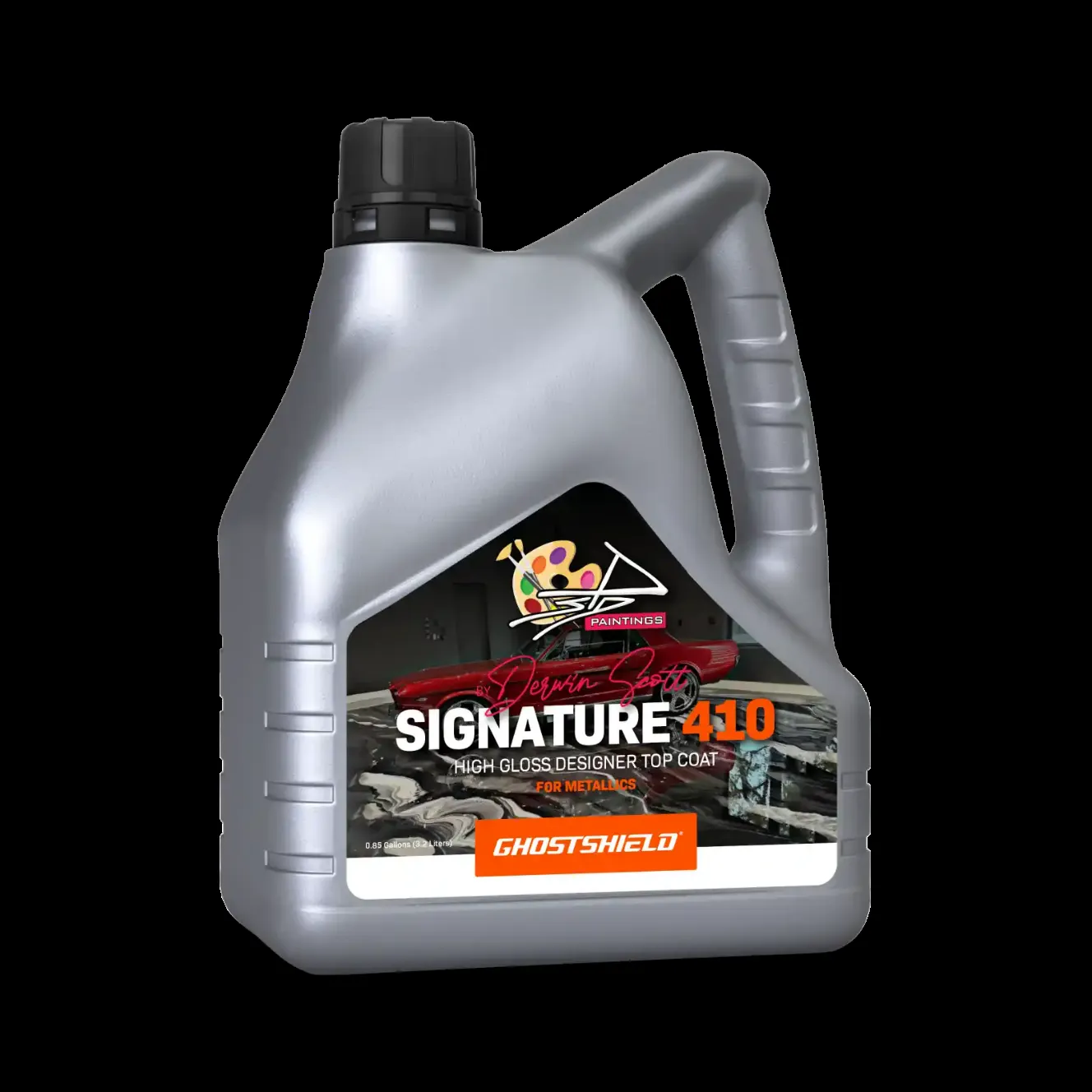
For a protective clear layer, a topcoat such as signature 410 los angeles contractors choose may be paired with a specific base, so confirm the recommended build before ordering. Ask counter staff to verify the full system.
Performance Properties and Test Results
Look for abrasion resistance, compressive strength, hardness, and chemical resistance data. These numbers reveal how the product behaves under real stress. Note the test standards referenced.
Compare results only when methods match. Different tests produce different numbers, and selective reporting can mislead. A transparent manufacturer lists methods and conditions clearly.
Storage, Safety, and Handling
Shelf life and storage temperature protect product quality. Safety sections list hazards, protective equipment, and first-aid steps. Read them before opening containers.
Keep the data sheet and safety sheet on site for every job. They serve as a quick reference and as documentation if questions arise later. Good record keeping protects everyone.
Conclusion
A data sheet is a roadmap for success. Check solids, mix ratio, pot life, cure times, coverage, substrate limits, compatibility, and performance data. Reading carefully before you buy prevents expensive mistakes and leads to stronger, cleaner results.
To browse products and get practical guidance, visit whatittakesla.com and speak with the team.